



If you are noticing mild skin laxity, a less-defined jawline, fine lines or changes around the lower face, you may be exploring non-surgical skin-tightening options.
HIFU uses focused ultrasound energy rather than surgical incisions. The energy is delivered to selected tissue depths according to the treatment protocol, with the aim of producing controlled thermal effects that can support collagen remodelling.
But HIFU is not a universal solution for every type of facial ageing. The degree of laxity, location of the concern, tissue characteristics, facial anatomy and your treatment goals all matter when deciding whether it is appropriate.
This guide explains how HIFU works, the concerns it may address, what happens during treatment, what to expect from before-and-after results, possible side effects, treatment sessions, cost considerations and how HIFU differs from a surgical facelift.
What Is HIFU Face Tightening and How Does It Work?
HIFU stands for High-Intensity Focused Ultrasound. In aesthetic medicine, focused ultrasound can be used to deliver controlled energy to selected depths beneath the skin without making surgical incisions.
At the treatment focus, the ultrasound energy creates a controlled thermal effect. This can stimulate a tissue response and collagen remodelling over time.
The treatment can therefore be planned around specific areas of concern. Depending on the device, treatment area and clinical protocol, different tissue depths may be targeted.
HIFU is a non-surgical skin-tightening treatment. It should not be described as equivalent to a surgical facelift because surgery can physically reposition tissues and address structural changes that a non-surgical procedure may not correct.
What Concerns Can HIFU Face Tightening Address?
HIFU may be considered when the main concern involves selected areas of skin laxity or loss of firmness. The treatment is not intended to address every cause of facial ageing.
Lower-Face Laxity
Mild looseness around the lower face may be one reason a person explores a non-surgical tightening treatment.
Jawline Definition
Where reduced skin firmness contributes to a less-defined jawline, HIFU may be considered after an individual assessment.
Neck Laxity
Selected areas of neck skin laxity may be treated depending on anatomy, treatment protocol and the technology being used.
Fine Lines and Firmness
Collagen remodelling may contribute to gradual improvement in skin firmness and the appearance of selected fine lines.
Can HIFU Reduce Face Fat or a Double Chin?
A double chin can involve more than one factor. Localised submental fat, skin laxity and facial anatomy can all contribute to the appearance of fullness beneath the chin.
Some focused-ultrasound technologies and treatment protocols may be used for selected submental contouring concerns. However, the intended effect depends on the specific device, energy settings, treatment depth and clinical indication.
For this reason, HIFU should not automatically be described as a universal fat-removal treatment. A consultation can help determine whether the main concern is loose skin, localised fat, anatomy or a combination of factors.
Who Is HIFU Face Tightening Suitable For?
HIFU may be considered for adults who have selected concerns about skin laxity and want to explore a non-surgical treatment option.
Suitability depends on more than age. A clinician may consider:
- The degree and location of skin laxity
- Facial anatomy
- Skin and tissue characteristics
- Previous cosmetic or medical procedures
- Current skin conditions
- Medical history and medications
- The result the patient wants to achieve
People with significant excess skin or more advanced structural changes may require a different approach because a non-surgical treatment may not provide the degree of change they are seeking.
How Does the HIFU Procedure Work?
Consultation
The treatment area, degree of laxity, medical history and expectations are assessed before treatment.
Preparation
The treatment area is prepared according to the clinic's protocol before focused ultrasound energy is delivered.
Focused Ultrasound
Focused ultrasound energy is delivered to selected treatment depths according to the planned treatment protocol.
Aftercare
Post-treatment guidance is provided, including what temporary effects may occur and when to contact the clinic.
HIFU Before and After: What Results Can You Expect?
Before-and-after photographs can help illustrate the type of visual change that may occur following treatment. However, photographs should not be interpreted as a guarantee that every patient will achieve the same result.
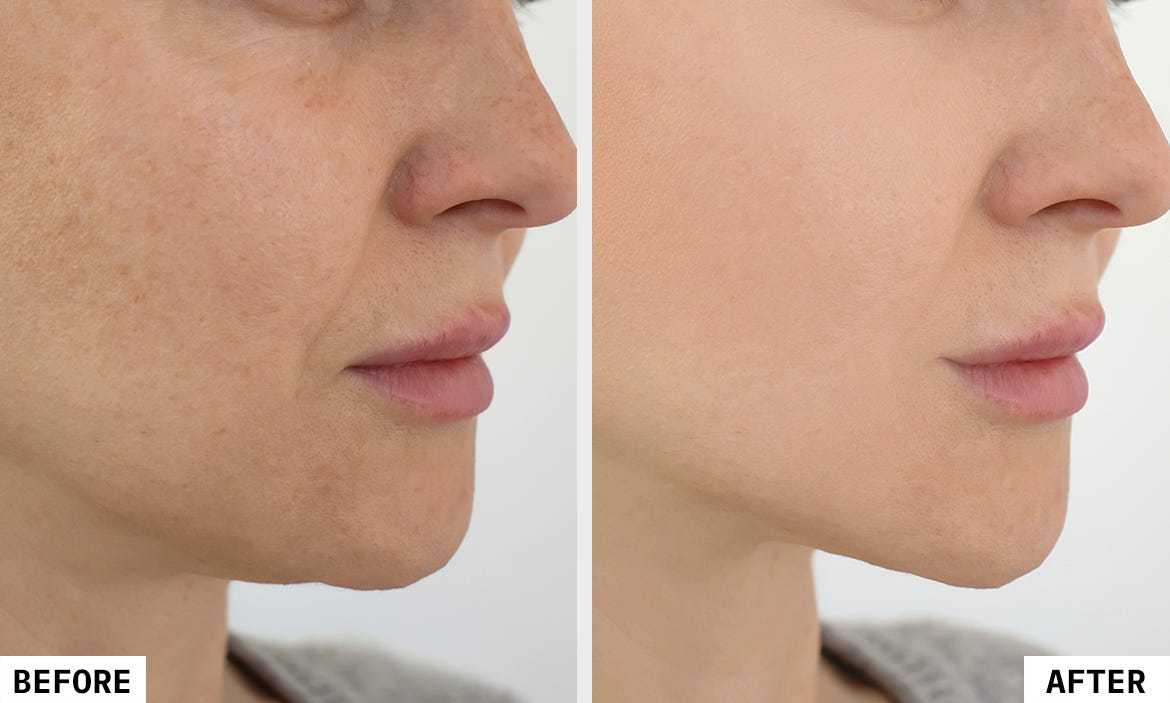
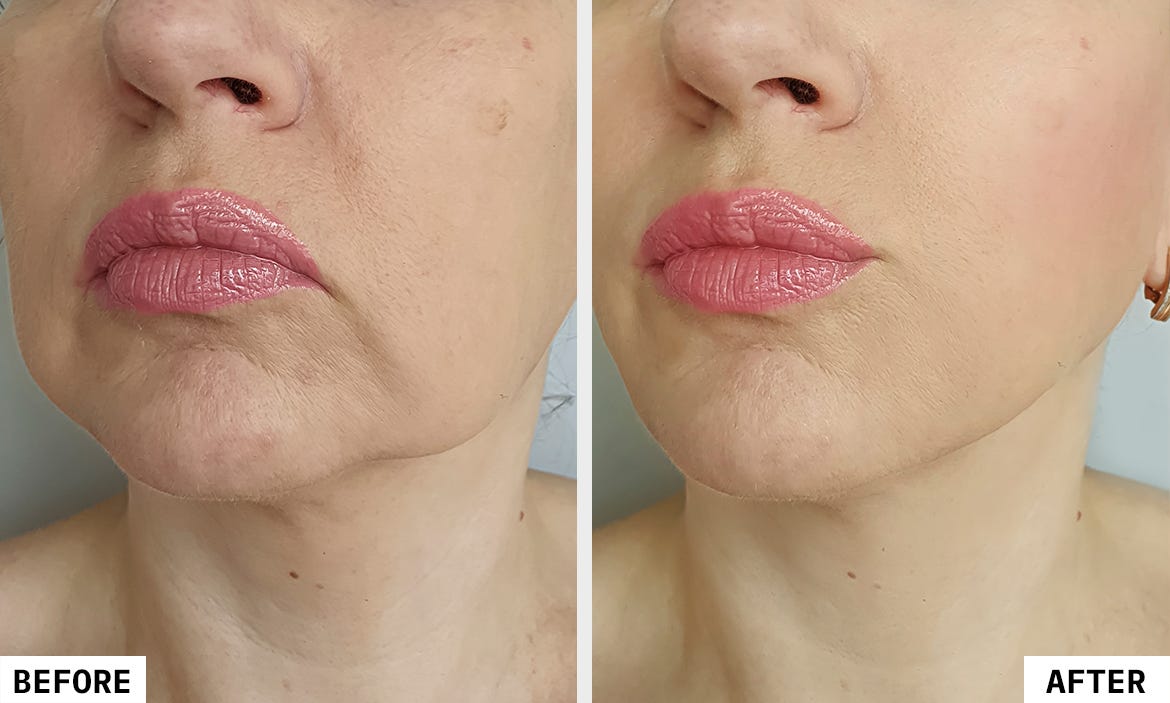
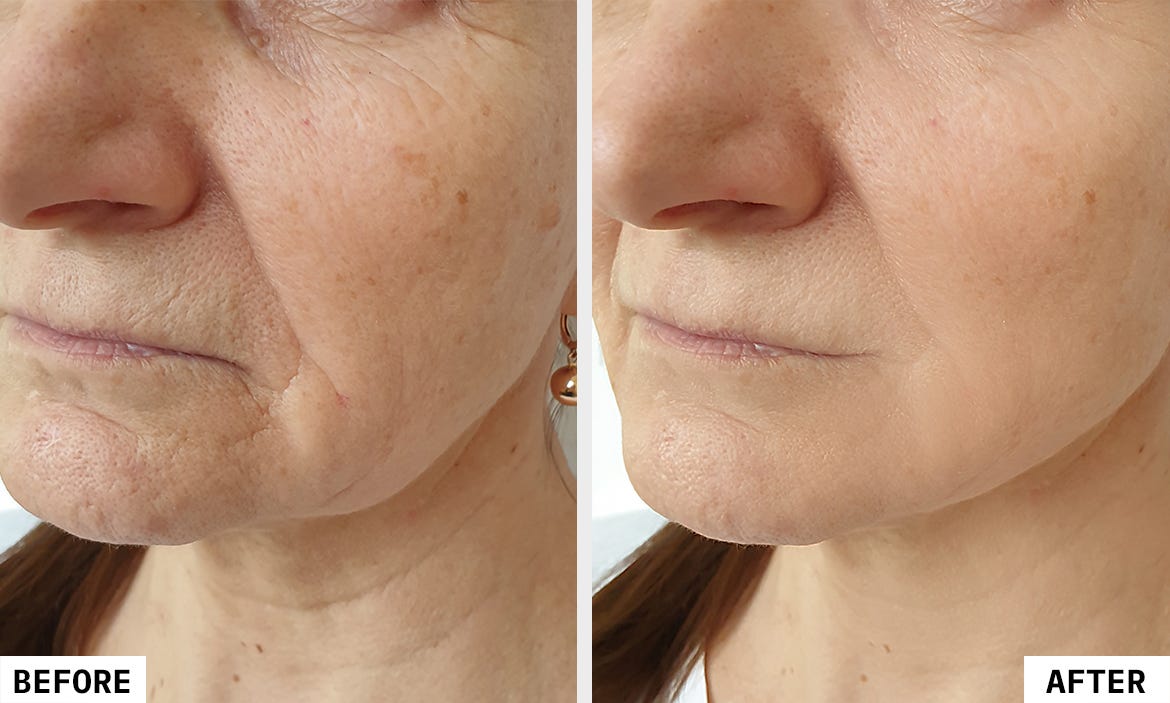
The amount and timing of improvement can vary according to baseline laxity, treatment area, tissue characteristics, treatment protocol and individual response.
When Will You See HIFU Results on the Face?
HIFU does not usually produce its full effect immediately. Some people may notice an early change in tightness, but the more relevant improvement generally develops gradually as the tissue response and collagen remodelling occur.
| Stage | What You May Notice |
|---|---|
| Immediately after treatment | The treated area may feel temporarily sensitive or different. Any immediate visible change should not be treated as the final result. |
| Following weeks | Some patients may gradually notice changes in skin firmness. |
| Following months | Collagen remodelling may contribute to a more noticeable change in firmness and contour. |
How Many HIFU Sessions Are Needed?
There is no universal number of HIFU sessions that applies to every patient.
The treatment plan can depend on the degree of laxity, treatment area, device, treatment protocol and individual response.
Some patients may be treated with a single session followed by observation, while others may be considered for additional treatment.
The interval between treatments should also be decided according to the treatment performed and the individual's response rather than a fixed online schedule.
HIFU Side Effects and Safety
HIFU is non-surgical, but that does not mean the treatment has no possible side effects.
Temporary effects can include:
- Redness
- Swelling
- Tenderness or sensitivity
- Temporary discomfort
- Temporary numbness or altered sensation
More significant complications can occur with inappropriate treatment settings, incorrect technique or unsuitable treatment. These can include burns or other tissue injury.
Severe pain, significant swelling, blistering, burns, marked changes in sensation or worsening symptoms should be assessed rather than ignored.
Is There Downtime After HIFU?
Because HIFU does not involve surgical incisions, recovery is generally different from the recovery associated with a surgical facelift.
However, temporary redness, swelling, tenderness or sensitivity can still occur. The duration and intensity of these effects can vary according to the treatment area, treatment settings and individual response.
Follow the aftercare instructions provided by your clinician for the specific treatment performed.
Precautions Before HIFU Treatment
Before treatment, tell your clinician about your medical history, medications, previous cosmetic procedures and any implants in or near the intended treatment area.
Treatment may need to be avoided, delayed or modified in situations such as:
- Active infection or significant inflammation in the treatment area
- Open wounds or damaged skin
- Certain implanted electronic or metallic devices, depending on the technology used
- Recent procedures where the tissue has not adequately recovered
- Medical conditions or medications that may affect treatment safety
- Pregnancy or breastfeeding where the clinician recommends postponement
The final decision should be based on an individual clinical assessment.
HIFU vs Surgical Facelift: What Is the Difference?
HIFU and a surgical facelift are different procedures and should not be treated as interchangeable options.
| Factor | HIFU | Surgical Facelift |
|---|---|---|
| Approach | Non-surgical focused ultrasound treatment. | Surgical procedure involving incisions and tissue repositioning. |
| Typical role | May be considered for selected skin laxity. | Can address more significant structural laxity and excess tissue. |
| Recovery | Generally less recovery than surgery, although temporary effects can occur. | Requires surgical recovery and post-operative care. |
| Result | Gradual improvement in selected concerns. | Can provide more substantial structural lifting and repositioning. |
The appropriate option depends on the degree and type of change being addressed, the person's anatomy and their treatment goals.
HIFU Treatment Cost in India
HIFU treatment cost can vary depending on the treatment area, treatment plan, device and protocol, number of treatment lines or shots, and the number of areas being treated.
For example, treatment involving a smaller area such as the jawline may have different pricing from a plan involving the face and neck.
When comparing prices, it is useful to confirm exactly what treatment area, protocol and inclusions are covered in the quoted amount.
Want to Know if HIFU Is Right for You?
If you are considering HIFU for facial tightening, jawline definition or selected areas of skin laxity, speak with a Kaya skin expert about your concern and available treatment options.
Frequently Asked Questions About HIFU Face Treatment
What does HIFU do to your face?
HIFU delivers focused ultrasound energy to selected tissue depths. The controlled thermal effect can stimulate a tissue response and collagen remodelling. This may gradually improve the appearance of selected areas of facial skin laxity. The amount of visible change varies between individuals.
Is HIFU a surgical facelift?
No. HIFU is a non-surgical treatment using focused ultrasound energy. A surgical facelift involves incisions and physical repositioning of tissues. HIFU may be considered for selected degrees of skin laxity but should not be presented as equivalent to surgery.
Is HIFU safe for the face?
HIFU can be used safely when an appropriate device, treatment protocol and trained professional are involved, but no procedure should be described as completely risk-free. Temporary redness, swelling, tenderness, discomfort or altered sensation can occur.
Does HIFU hurt?
Treatment sensation varies between people and depends on the treatment area, device and energy settings. Some people may experience warmth, tingling, pressure or brief discomfort during energy delivery. Your clinician can explain what you are likely to experience during treatment.
What are the side effects of HIFU treatment?
Possible temporary effects include redness, swelling, tenderness, sensitivity or altered sensation. More significant complications such as burns or tissue injury are possible but are not expected with appropriate treatment. Persistent or severe symptoms should be assessed by a healthcare professional.
How many HIFU treatments are needed for the face?
There is no universal number of sessions. The treatment plan depends on the degree of skin laxity, treatment area, device, protocol and individual response. Some patients may be treated with one session while others may be considered for additional treatment.
What is the interval between HIFU treatments?
The appropriate interval depends on the treatment protocol and the individual's response. There is no single interval that is correct for everyone. If additional treatment is being considered, the clinician should assess the previous treatment response before recommending another session.
When will I see HIFU results on my face?
HIFU results generally develop gradually. Some people may notice an early feeling of tightness, while more visible improvement can take longer as collagen remodelling occurs. The timeline varies according to the treatment area, tissue characteristics, protocol and individual response.
How long do HIFU results last?
The duration of visible improvement varies between individuals. Ageing continues after treatment, so HIFU does not permanently stop changes in the skin. Baseline laxity, treatment protocol and individual response can influence how long improvement remains noticeable.
Can HIFU reduce a double chin?
A double chin can involve localised fat, skin laxity or facial anatomy. Some focused-ultrasound technologies may be used for selected submental concerns, but HIFU should not automatically be described as a universal fat-removal treatment. Assessment is important before choosing treatment.
Does HIFU reduce face fat?
The effect depends on the device, treatment protocol, energy settings and treatment depth. Some ultrasound technologies have applications involving tissue contouring, while facial HIFU is commonly discussed in relation to skin tightening and collagen remodelling. Your clinician can explain the intended effect of the technology being used.
Is HIFU suitable for everyone?
No. Suitability depends on the treatment area, degree of laxity, tissue characteristics, medical history, previous procedures and expectations. Certain skin conditions, implants or medical circumstances may require treatment to be avoided, delayed or modified.
Can HIFU replace a facelift?
HIFU and a surgical facelift address different levels of tissue change. HIFU is non-surgical and may be considered for selected skin laxity, while surgery can physically reposition tissues and remove excess skin. People with significant laxity may therefore require a different approach.
What is HIFU treatment cost in India?
There is no single price applicable to every HIFU treatment. Cost can vary according to the treatment area, treatment protocol, device, clinician and number of areas being treated. Ask the clinic what treatment area and inclusions are covered when comparing prices.
Is there downtime after HIFU?
HIFU does not involve surgical incisions, but temporary treatment effects can still occur. Redness, swelling, tenderness, sensitivity or altered sensation may be experienced by some patients. Recovery varies according to the individual and treatment protocol.
Medical Review
Reviewed by Dr. Priya Puja
MBBS, MD - Dermatology, Venereology & Leprosy
Medical Head, Kaya Clinic
This article is intended for educational purposes and does not replace a consultation with a qualified dermatologist. HIFU treatment should be planned according to the individual's treatment area, medical history, anatomy, expectations and clinical assessment.
- PubMed: Focused ultrasound and aesthetic applications
- PubMed: High-intensity focused ultrasound in aesthetic medicine
- PubMed: Focused ultrasound applications and safety considerations
- PubMed: High-intensity focused ultrasound for facial skin tightening
- U.S. FDA: Focused Ultrasound
- U.S. FDA: Non-Invasive Body Contouring Technologies