Dr. Priya Puja
Medical Head, Kaya Clinic
MBBS, MD (Dermatology). Dermatology, cosmetic dermatology and laser treatment expertise with treatment planning based on individual clinical assessment.
View Doctor Profile →A personalised approach to acne scars and uneven texture, planned around your scar type, skin condition, treatment goals and individual response.
Acne scar treatment may use laser resurfacing, subcision, microneedling or a staged combination. Different scar patterns need different approaches, and improvement develops gradually as the skin recovers and remodels.
Important: Treatment suitability, recovery and session planning are individual. A dermatologist should assess your skin, scar pattern, active acne and relevant medical history before treatment.
Meet selected dermatologists from Kaya's clinical network. Doctor details shown here are limited to information that can be publicly verified or supplied for this page.
MBBS, MD (Dermatology). Dermatology, cosmetic dermatology and laser treatment expertise with treatment planning based on individual clinical assessment.
View Doctor Profile →MBBS, MD (Dermatology). Dermatology consultation and treatment planning for skin and hair concerns, including laser-based hair reduction where clinically appropriate.
MBBS, MD (Dermatology). Dermatologist with clinical experience in skin, hair and aesthetic dermatology care, including treatment planning at Kaya Clinic.

MBBS, MD (Dermatology). Senior consultant and medical advisor providing dermatology-led assessment and treatment planning at Kaya Clinic.
MBBS, MD (Dermatology). Consultant dermatologist and aesthetic specialist with dermatology-led treatment planning at Kaya.

MBBS, MD (Dermatology). Dermatologist and part of Kaya's medical leadership, with dermatology-led assessment and treatment planning.
The essentials you should know before deciding which acne scar treatment may suit your skin.
Acne scars are lasting changes in skin structure after a breakout has healed. They can appear as pits, depressions, raised areas or uneven texture. Scar depth and underlying tissue attachments help determine which treatment may be appropriate.
Flat dark or red post-acne marks are different from structural scars. Some people have both pigmentation and mixed scar patterns. A dermatologist assesses these concerns separately before planning laser resurfacing, subcision, microneedling or another suitable approach.
Scars change the skin’s structure; marks mainly change its colour. Pigment-focused treatment may help flat marks but should not be assumed to lift deep pits or release tethered scars.
Improvement can develop gradually through healing and remodelling. Mixed scar types may need different procedures, staged treatment and review rather than one session for every concern.
The procedure is selected to address the scar mechanism. Resurfacing and microneedling may improve selected texture concerns, while subcision addresses tethering beneath some depressed scars. A focal technique may be considered for a deep, sharply defined scar.
Scar type, depth and skin condition are assessed.
The approach is matched to the scar mechanism.
Selected areas are treated using the agreed technique.
Aftercare supports recovery following the procedure.
Improvement and further treatment needs are reviewed.
Explore a related texture-focused treatment: Microneedling Treatment at Kaya
Acne scar procedures require individual assessment. Skin tone, pigmentation tendency, active acne, recent procedures and sun exposure can influence suitability. People prone to post-inflammatory pigmentation need careful treatment selection, settings and aftercare.
Pigmentation tendency helps guide procedure selection and recovery planning. The same settings are not appropriate for everyone.
Scar depth, shape and tethering help distinguish surface texture concerns from changes requiring a targeted approach.
The device, depth and treatment parameters should suit the skin and scar pattern. Stronger treatment is not automatically better.
Assessment identifies relevant skin conditions, previous reactions and factors affecting treatment suitability.
Post-acne marks are usually flat colour changes. Structural scars involve a depression, raised tissue or uneven texture. The two can coexist, so the treatment plan should identify whether colour, texture or both need attention.
| Visible change | General consideration |
|---|---|
| Flat dark marks | Pigmentation may be the main concern rather than scar depth. |
| Red or pink marks | Colour changes require assessment before selecting treatment. |
| Depressed scars | Depth, shape and tethering guide a texture-focused approach. |
| Raised scars | These require a separate plan from depressed-scar treatment. |
Suitability depends on scar pattern, skin condition, active acne, medical history and expectations. Assessment should establish whether the concern is structural scarring, flat marks or a combination.
Active inflammation, irritated skin, recent procedures and other clinical factors may affect the timing of treatment. Controlling ongoing acne may be a priority before some scar-focused procedures.
Share your medical history, medicines, previous reactions and any tendency to develop raised scars. Your dermatologist can decide whether treatment should proceed, be adapted or be postponed.
Laser resurfacing and radiofrequency microneedling are different treatment categories. Aerolase is a brand with different platforms, while Morpheus8 combines needling with RF energy. The exact device, purpose, risks and recovery should be explained before treatment.
| Technology / Factor | Potential role | What to confirm |
|---|---|---|
| Laser resurfacing | May address selected acne-scar and skin-texture concerns. | Device, settings, skin suitability, downtime and aftercare. |
| Morpheus / RF | RF microneedling may be considered for selected texture concerns. | Exact device, clinician experience, risks and recovery. |
| Aerolase | Different platforms have different purposes, including acne care and resurfacing. | Which platform is proposed and whether the goal is acne control or texture. |
| KSR | Kaya Skin Resurfacing is a service name rather than a complete technical protocol. | The actual procedure, treatment area and expected recovery. |
Important: RF microneedling needs a separate risk discussion. The supplied acne guide references FDA reports of serious complications with certain uses, including burns, scarring, fat loss and nerve damage.
These procedures address different scar features. Resurfacing focuses on selected texture concerns, subcision targets tethering beneath some depressed scars, and microneedling supports a repair response. The assessment determines their role.
| Factor | Laser resurfacing | Subcision | Microneedling |
|---|---|---|---|
| Main role | Selected texture concerns | Selected tethered scars | Selected texture concerns |
| Approach | Controlled laser treatment | Addresses tissue attachments | Controlled micro-injuries |
| Treatment course | Based on skin response | Selected scars assessed | Individual session plan |
| Deep focal scars | May need another approach | Not suitable for every pit | May need another approach |
| Recovery | Depends on laser protocol | Procedure-specific care | Depends on depth and technique |
Conventional microneedling creates controlled micro-injuries. RF microneedling adds delivered heat through a device such as Morpheus8. These approaches should not be assumed to have identical suitability, risks, recovery or pricing.
| Factor | Microneedling | RF microneedling |
|---|---|---|
| Technique | Needling without RF energy | Needling with RF energy |
| Treatment goal | Selected textural concerns | Selected textural concerns |
| Suitability | Depends on skin, scar pattern and technique. | Requires device-specific assessment and risk discussion. |
| Expected outcome | Variable texture improvement | Variable texture improvement |
Learn more about the underlying approach: Microneedling Treatment at Kaya
Explore related Kaya services and detailed guides on acne scars, treatment options and expected results. These resources help you prepare for a consultation and distinguish ongoing acne, flat marks and structural scars.
Explore professional microneedling for selected acne-scar and skin-texture concerns.
Understand pigment-focused care for flat marks and how it differs from treating scar depth.
Explore peel options, treatment goals and the importance of individual skin assessment.
Read how peel selection relates to acne and post-acne marks, with attention to treatment goals.
Read about acne-scar treatment options and the factors that guide a personalised approach.
Explore realistic expectations, lasting changes and the role of continued skin care.
Understand how microneedling is used for selected texture concerns and scar patterns.
Read about Aerolase for acne care and discuss its role within your treatment plan.
Scar shape helps guide treatment selection, but depth, surrounding skin and active acne also matter. Mixed scars may require a staged plan rather than one procedure across every area.
| Concern | Possible approach | Planning note |
|---|---|---|
| Rolling scars | Subcision may be considered where tethering is present. | Surface texture may need a separate treatment step. |
| Boxcar scars | Resurfacing or a selected focal procedure. | Depth and defined edges influence treatment selection. |
| Ice-pick scars | An individually selected focal technique. | Broad surface treatment alone may not address deep pits. |
| Raised scars | A separate dermatologist-led treatment plan. | Do not apply a depressed-scar protocol by default. |
| Mixed scars | Combination or staged treatment. | Each procedure should have a defined purpose. |
| Texture with marks | Separate texture and pigmentation assessment. | Colour improvement and scar improvement are different outcomes. |
| Active acne with scars | Acne control before or alongside suitable scar care. | New inflammatory lesions may create further marks or scars. |
Acne Free Aqua Therapy Plus 1S is a named Kaya service. Confirm its purpose, included steps and aftercare. The name does not establish that it treats every type of acne scar.
Insta Skin Brilliance Matte Aqua Refresh 1S is another named service. Ask how its protocol differs from AFAT and whether separate treatment is needed for pitted scars.
Active acne and established scars are related but different concerns. New inflammatory lesions can produce additional marks or scars. The clinician may prioritise acne control before or alongside a suitable scar-treatment plan.
Treating old scars does not automatically control the underlying cause of ongoing breakouts.
There is no fixed session count for every person. The procedure, scar type, depth, severity and skin response influence how treatment is planned.
Some concerns may need a series of visits, while a focal procedure may be used selectively. Mixed scars can require several techniques at different stages.
Ask when progress will be reviewed and how the plan may change. A package marked “1S” does not guarantee that one visit completes your treatment course.
Scar pattern, skin condition and goals are assessed.
The treatment area is prepared according to the clinical protocol.
The agreed technique is used on the planned areas.
Cooling or other comfort measures may be used as appropriate.
You receive guidance on caring for the treated area.
Recovery and improvement follow different timelines. Early redness or swelling is not proof of lasting scar improvement. Follow the procedure-specific aftercare plan and assess progress at the recommended review.
Temporary skin changes depend on the procedure. Follow the clinic’s initial care instructions.
Use the advised cleansing, moisturising and sun-protection routine while skin recovers.
Some procedures rely on healing and remodelling, so improvement is assessed over time.
The clinician reviews the response before recommending further sessions or another technique.
Read more: Microneedling Treatment and Care at Kaya
Treatment aims to improve selected scars and skin texture. Results vary with scar type, depth, skin characteristics and the chosen procedure. Compare progress photographs under similar lighting, angles and distance.
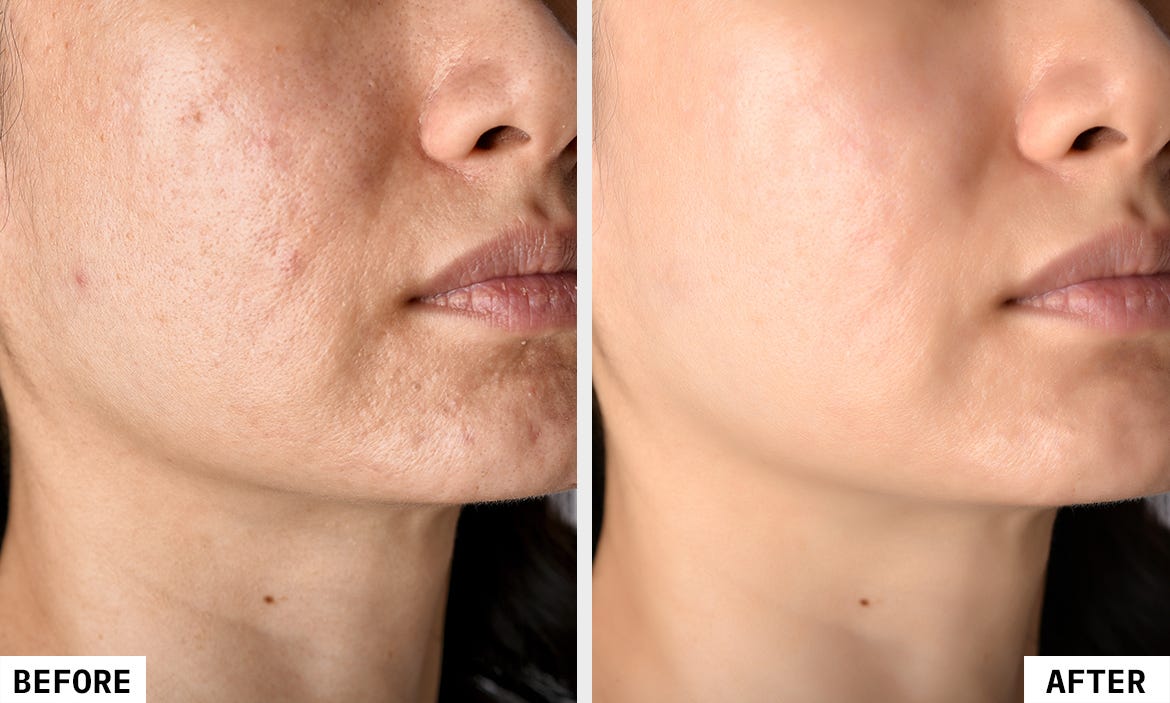
Kaya treatment photographs showing the cheek before and after care, with a visible difference in skin texture.
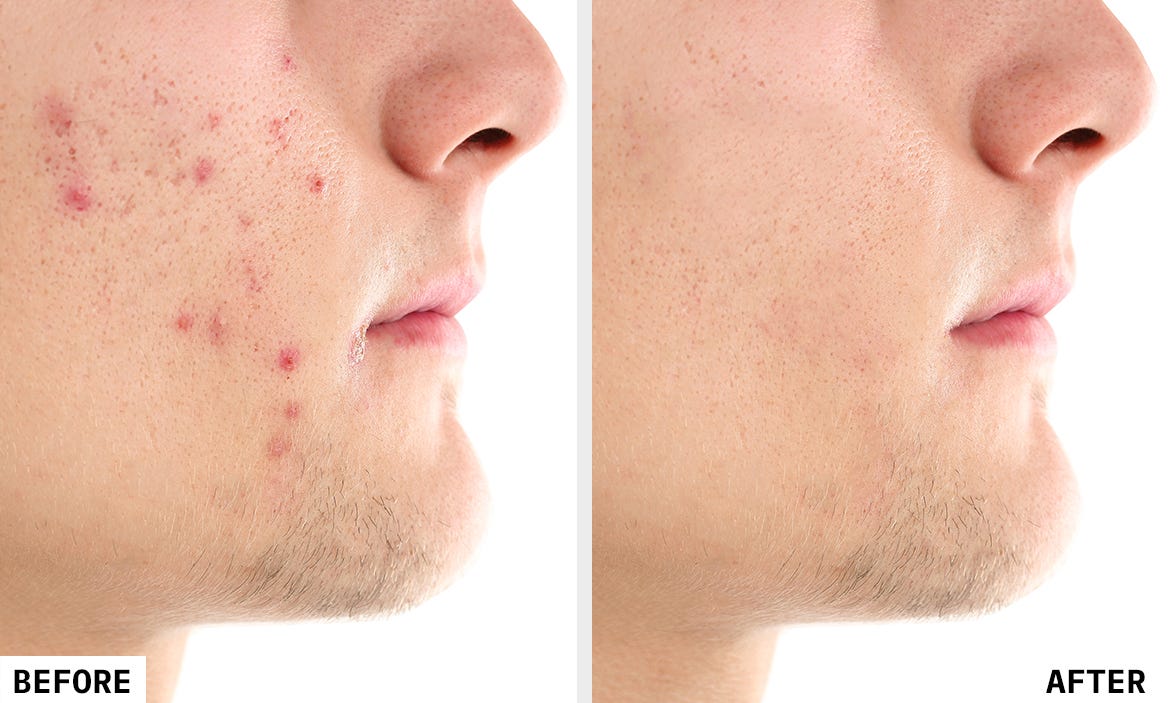
Kaya before-and-after photographs showing changes in the appearance of acne and post-acne marks on the cheek.
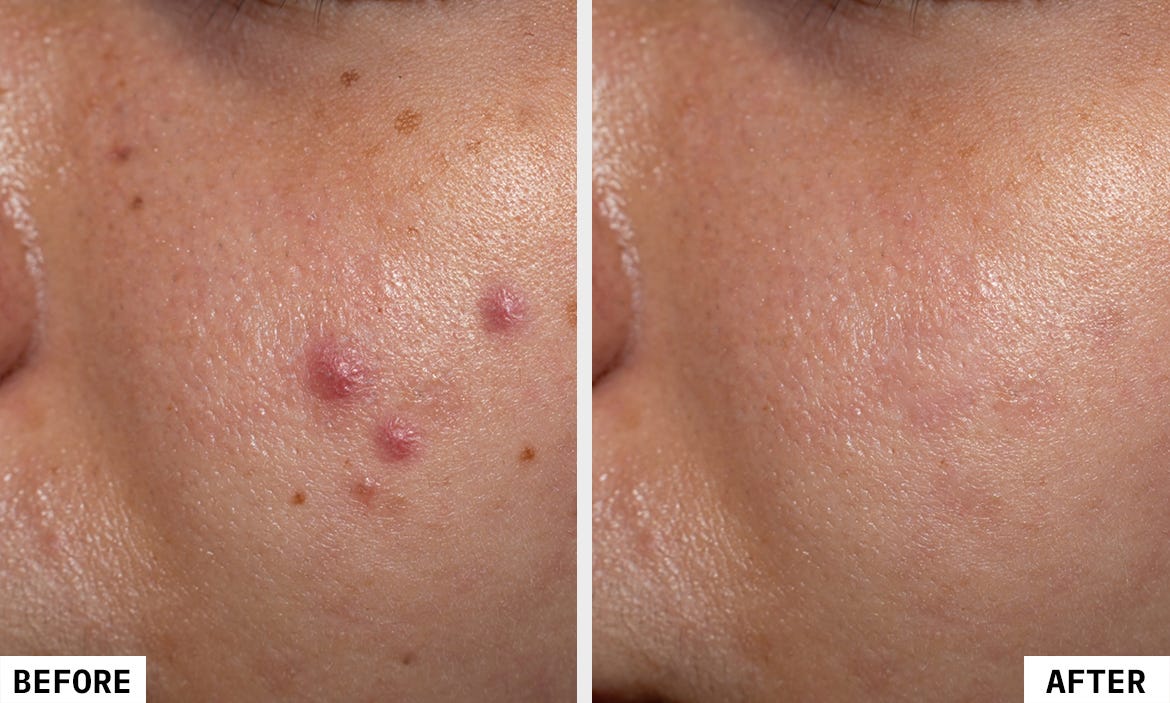
A close-up Kaya comparison showing the appearance of acne-affected skin before and after care.
Results note: These are Kaya before-and-after treatment photographs. Individual outcomes vary with the concern, procedure and treatment course; these photographs do not guarantee the same result for everyone.
Complete scar removal should not be guaranteed. A realistic goal is improvement in the appearance and texture of selected scars, with outcomes varying between individuals.
Different scar mechanisms can require different procedures. Ongoing acne can also create new marks or scars, making continued acne management relevant to the overall plan.
A more accurate expectation is gradual improvement in scar appearance, with further treatment considered according to response and individual needs.
The treatment experience depends on the procedure, treatment area and individual sensitivity. Discuss expected discomfort and available comfort measures before choosing a technique.
Sensations differ between laser, needle-based and focal scar procedures.
Treatment depth, device settings, area and skin sensitivity affect the experience.
Your clinician can explain the comfort measures used for the selected procedure.
Comfort note: Tell the treating professional if a sensation is unusually painful or if your skin feels excessively hot during treatment.
Risks depend on the procedure, skin characteristics, settings and medical history. RF microneedling has additional device-specific risks. Ask for a clear explanation of expected recovery and symptoms requiring review.
Related service: Microneedling Treatment at Kaya
Follow sun-protection guidance and avoid unnecessary UV exposure after treatment.
Follow the recommended skincare routine and avoid irritating products if advised.
Follow clinic advice regarding heat, intense exercise and other activities immediately after treatment.
Attend follow-up sessions according to the personalised treatment plan.
Cost depends on the procedure, area treated, scar severity and number of visits. A per-session price differs from the total course estimate, especially when several techniques are recommended.
The extent of the area being treated can influence the quote.
Scar depth, pattern and severity can affect the proposed plan.
Total treatment cost depends on how many sessions are appropriate for your individual plan.
Pricing may vary by clinic and treatment plan.
Kaya’s current procedure-wise prices are not listed on this page. A useful quote should name the treatment and separate its per-session charge from the estimated cost of the full plan. Use the comparison below to understand what you are paying for.
| Treatment | What affects cost | What your quote should clarify |
|---|---|---|
| Laser resurfacing | Selected laser, treatment area and scar severity | Laser acne scar treatment price per session and estimated course cost |
| Microneedling / Derma Roller | Instrument, depth, area and planned visits | Session price, follow-up and any additional PRP charges |
| Morpheus / RF microneedling | Exact device, treatment area and course | Device-specific quote and included aftercare |
| Subcision / focal procedures | Number and pattern of scars; selected technique | Procedure charge and any separate resurfacing cost |
| Chemical peel / Q Switch | Protocol and whether the goal is acne, marks or texture | Price for the specified treatment and proposed sessions |
| PRP / combined treatment | Adjunct procedure and the sequence of treatments | Whether each component is included or billed separately |
The estimated course cost includes the recommended procedure charges across planned visits, plus any separately billed consultation, medicines, adjunct treatments or aftercare. Confirm applicable taxes and follow-up charges. A lower session price does not necessarily mean a lower total if the treatment scope or number of visits differs.
Get a personalised cost estimate: Ask for a written plan covering the procedure, areas, estimated visits, inclusions and review point. Book a Kaya consultation or call 1800-209-5292.
Current treatment-wise prices are not supplied in this guide. Ask for a written estimate covering the complete treatment plan, including the proposed procedure, visits, follow-up and any additional charges.
| Treatment / planning item | What to confirm | Purpose |
|---|---|---|
| Scar assessment | Type, depth and severity | Define the concern |
| Active acne | Need for acne control | Reduce new-scar risk |
| Flat marks | Colour or structural change | Set the treatment goal |
| Rolling scars | Whether tethering is present | Guide procedure choice |
| Boxcar scars | Depth and defined edges | Assess focal treatment |
| Ice-pick scars | Need for targeted care | Assess deep focal scars |
| Raised scars | Separate management plan | Avoid unsuitable protocols |
| Mixed scars | Sequence of procedures | Plan staged care |
| Laser resurfacing | Device and settings | Assess texture treatment |
| Aerolase | Exact platform | Clarify acne or texture goal |
| Morpheus | Whether Morpheus8 is used | Clarify RF treatment |
| RF microneedling | Risks and clinician training | Discuss device safety |
| Microneedling | Instrument and depth | Clarify technique |
| Derma Roller | Roller-based protocol | Compare needling options |
| Subcision | Suitability for tethering | Address selected scars |
| Punch elevation | Suitability for focal scars | Discuss targeted care |
| KSR | Actual resurfacing procedure | Understand package scope |
| AFAT | Included treatment steps | Confirm the intended goal |
| ISB | Protocol and aftercare | Confirm the intended goal |
| Chemical peel | Type and strength | Clarify treatment effect |
| Q Switch | Pigmentation treatment goal | Separate marks from pits |
| PRP | Reason for adding it | Understand adjunct care |
| Additional procedures | Written treatment name | Avoid unclear charges |
| Treatment area | Areas covered by quote | Compare scope |
| Session estimate | Visits and review point | Plan the course |
| Session spacing | Recommended intervals | Schedule recovery |
| Combination plan | Order of procedures | Understand the sequence |
| Consultation fee | Included or additional | Clarify total cost |
| Procedure price | Per session or full course | Compare like-for-like |
| PRP charges | Included or separate | Clarify additional cost |
| Medicines | Expected extra charges | Budget for care |
| Aftercare products | Included or separate | Budget for recovery |
| Follow-up | Included reviews | Plan reassessment |
| Taxes | Whether included | Confirm payable total |
| Recovery time | Expected restrictions | Plan work and events |
| Progress photographs | Consistent conditions | Assess change fairly |
| Clinic contact | How to request review | Support aftercare |
Pricing note: Request a personalised written quote after assessment. No fixed price, session count or treatment outcome is implied.
A scar-specific plan aims to improve selected texture concerns while setting realistic expectations. Each procedure should address an identified feature of the scar or a separate concern such as pigmentation.
Selected procedures may reduce the visibility of suitable acne scars.
Treatment can address uneven texture rather than only surface colour.
Different scar patterns can be assessed for different techniques.
Acne, marks and scars can be considered as related but distinct goals.
Procedure and settings are selected according to skin and scar characteristics.
The plan can be reassessed as recovery and treatment response become clearer.
Kaya’s acne and scar service range sits within its dermatology-led clinical network. Consultation should identify the concern, explain the selected treatment and establish realistic expectations for recovery and improvement.
Kaya states that its services and products are designed and supervised by a network of 100+ dermatologists.
Treatment planning considers the specific needs and characteristics of Indian skin.
Treatment can be adjusted according to skin, scar pattern and observed response.
Consultation, preparation, treatment and aftercare are considered as part of the overall journey.
Texture, pigmentation and ongoing acne can be considered within an individual plan.
The objective is gradual improvement with realistic expectations and appropriate review.
An acne scar plan should be based on assessment rather than a popular procedure name. Scar mechanisms, skin characteristics and practical recovery needs help guide the approach.
| Assessment | Why It Matters |
|---|---|
| Skin characteristics | Helps inform technology and treatment parameters. |
| Scar type & depth | Helps distinguish surface texture from deeper structural concerns. |
| Tethering | May influence whether subcision should be considered. |
| Treatment area | Helps define which areas need each procedure. |
| Active acne | May require control before or alongside scar-focused care. |
| Medical history | Helps identify relevant precautions. |
Ask how scar type, depth and skin condition influence the recommendation.
Ask for an individual estimate rather than relying on a generic fixed number.
Ask about likely improvement, recovery and individual variation.
Ask about common temporary effects and factors that may increase risk.
Treatment aims to improve scar appearance and texture. Complete removal should not be guaranteed because results depend on scar type, severity, skin characteristics and response. Different scars can respond differently on the same face, so the plan may combine a texture-focused procedure with treatment for deeper attachments or focal pits. Discuss what improvement would be meaningful for your scar pattern and when progress should be reviewed. Compare photographs under similar lighting and angles rather than expecting every scar to disappear.
The number varies by procedure, scar pattern and skin response. Ask for an individual estimate and a review point rather than assuming a fixed package completes treatment. A clinician may recommend a series of visits for broad texture concerns or a targeted procedure for selected scars. The sequence also needs to allow appropriate recovery between treatments. Confirm how the initial estimate will be reviewed and whether additional procedures are included in the quote. The package label alone does not establish your full course.
Suitability depends on individual skin characteristics and the procedure. Pigmentation-prone skin needs careful treatment selection, settings and aftercare. Your consultation should cover previous pigmentation changes, skin reactions, active acne and recent procedures. Ask why the proposed device or technique suits your skin and what recovery it requires. Follow the recommended sun protection and skincare restrictions. A procedure should be chosen for the individual concern rather than assuming one approach suits every Indian skin tone.
Discomfort varies by procedure, depth and treatment area. Your clinician should explain expected sensations and comfort measures before treatment. Ask what you are likely to feel during the specific technique being recommended and how comfort will be managed. Laser resurfacing, microneedling and focal scar procedures are not interchangeable experiences. Tell the treating clinician about your sensitivity and any previous reactions. During recovery, follow the clinic’s guidance on expected symptoms and when to request review.
There is no universal best option. Laser resurfacing, subcision, focal procedures and microneedling address different scar features and may be combined when appropriate. For example, a tethered rolling scar raises a different treatment question from a flat dark mark or a narrow deep pit. Your assessment should explain the concern each proposed procedure addresses. If several techniques are suggested, ask about their sequence, expected contribution and recovery. The most useful comparison is suitability for your scars, not simply which procedure sounds strongest.
They are different concerns. The clinician may prioritise controlling active acne before or alongside suitable scar-focused care to address ongoing breakouts and existing changes. Tell the clinician whether you are still developing inflammatory breakouts and which acne treatments you use. Treating established scars alone does not prevent new acne-related damage. A coordinated plan should explain which step addresses current acne and which addresses lasting texture changes. The timing depends on the skin’s condition and the procedure being considered.
Marks are usually flat colour changes. Scars involve structural changes such as depressions or raised tissue. Their treatment goals can therefore be different. If the skin is smooth but discoloured, pigment or redness may be the main concern. Pits, waves and raised areas suggest a structural change that needs a different assessment. Both can occur together. Explain whether colour, texture or both bother you so the plan does not confuse lighter-looking marks with improvement in depressed scars.
Expected skin changes depend on the procedure. Follow written aftercare instructions and ask which symptoms require clinic review. Before leaving the clinic, confirm how to cleanse and care for the treated area and which products or activities to avoid temporarily. Ask for a direct contact if recovery concerns you. Do not judge lasting results from immediate swelling or redness, and do not add home remedies or strong actives without the treating team’s advice.
Pigmentation changes are a potential risk after some procedures. Skin assessment, suitable settings, sun protection and aftercare help guide safer planning. Discuss any history of dark marks after irritation, recent tanning and reactions to earlier treatments. These details can affect the recommended approach and aftercare. Ask which pigment changes are possible with your selected procedure and how progress will be monitored. Contact the treating team if skin colour changes during recovery concern you.
No. It may be considered for selected depressed scars with underlying tethering. Other scar types may need a different or additional approach. The assessment looks at whether fibrous attachments contribute to the depression rather than simply identifying a visible pit. Surface texture or pigmentation may still need a different step. If subcision is proposed, ask which scars will be treated, why it suits them, what recovery involves and whether another procedure forms part of the plan.
It is a focal technique that may be considered for selected deeper, defined depressed scars. Suitability depends on scar shape, depth and surrounding skin. It differs from subcision and broad resurfacing, so its role should be explained using the actual scars being assessed. Ask which areas would be treated and whether further texture work may be needed. The clinic should name the procedure clearly in the plan and explain expected recovery, possible risks and the full cost before booking.
Share medicines, skin conditions and recent procedures. Follow the clinic’s guidance on sun exposure, skincare products and procedure-specific preparation. Also discuss ongoing breakouts, irritation, previous pigment changes and a tendency to form raised scars. Tell the team about upcoming work, travel or events so recovery can be planned. Do not assume preparation for one procedure applies to another; request written instructions for the exact treatment or combination that you will receive.
Follow the instructions for your procedure, including temporary restrictions on irritating products, sun exposure, make-up and activities where advised. The timeline for restarting products or activities varies with the technique and your skin’s recovery. Use the recommended cleansing, moisturising and sun-protection routine rather than copying someone else’s aftercare. If more than one procedure is performed, confirm that the instructions cover the entire treatment. Ask the clinic before restarting strong exfoliating products.
Cost depends on the procedure, area, number of sessions and combined treatments. Ask for a written estimate separating session charges, course costs and additional care. For combined care, ask whether PRP, medicines, aftercare products, follow-up and applicable taxes are included. Compare quotes for the same procedure and treatment area. The current page does not provide verified fixed prices, so a personalised written estimate is the clearest way to understand your likely spend and when the plan will be reviewed.
A dermaroller is one way to perform microneedling. Confirm the instrument, protocol and intended concern when comparing these service names. A roller and another needling instrument may differ in how treatment is delivered, but the service name alone does not establish which is suitable for you. Ask about the intended scar concern, preparation and aftercare. Conventional microneedling also differs from RF microneedling, which adds delivered heat and needs its own discussion of risks and recovery.
Mixed scars can involve different mechanisms. A staged plan may address tethering, surface texture and pigmentation with separate procedures. For example, one step may address tissue attachments while another targets selected texture concerns or flat dark marks. A combination does not necessarily mean all procedures happen on the same day. Ask why each step is included, how the sequence allows recovery and what will be reviewed before the next stage proceeds.
Sensitivity, irritation, current skin conditions and previous reactions need assessment. The clinician decides whether to adapt or delay the proposed procedure. Tell the team which products cause stinging or redness and whether you have current inflammation or a skin condition. Do not assume a procedure described as gentle is suitable without assessment. Preparation and aftercare may need individual adjustment. If the skin is irritated, the clinician can explain whether treatment should wait until the condition is addressed.
Recovery varies by procedure and treatment intensity. Ask for the expected timeline and activity restrictions for your specific plan. Ask how recovery may affect work, outdoor exposure, exercise and make-up, and when to contact the clinic about unexpected symptoms. A combined treatment requires instructions covering every component. Avoid scheduling treatment immediately before an important event until the expected recovery is clear. The timeline should come from the exact protocol rather than a general “no downtime” claim.
A home roller does not replace professional scar assessment. Aggressive or repeated self-treatment can injure skin, especially if acne or irritation is present. Tell your dermatologist if you have already used a roller, especially if the skin has become irritated. Professional planning considers scar type, skin condition, technique and aftercare together. Deep or tethered scars may need a different approach altogether. Do not treat active acne or damaged skin aggressively in an attempt to reproduce a clinic procedure.
Improvement may be gradual because some treatments depend on healing and remodelling. Review results at the recommended interval rather than judging immediate swelling. Ask when the first meaningful review should take place for your chosen procedure. Early photographs may reflect temporary treatment effects rather than stable improvement. Consistent lighting, angle and distance make later comparisons more useful. At review, the clinician can assess your response and decide whether to continue, adjust the plan or consider a different technique.
AFAT is Acne Free Aqua Therapy Plus; ISB is Insta Skin Brilliance Matte Aqua Refresh; KSR is Kaya Skin Resurfacing. Confirm their exact protocols and intended purpose. These are named Kaya services, not complete descriptions of the equipment, ingredients or treatment depth. Ask which concern each is intended to address and what the session includes. A refresh service should not be assumed to lift deep pits. The “1S” suffix also does not guarantee that one visit completes your scar-treatment plan.
No. Q-switch care may target pigmentation, while PRP may support another procedure. Neither should be assumed to replace a treatment selected for a deep structural scar. If Q Switch is recommended, clarify whether the target is a flat pigment mark rather than scar depth. If PRP is added, ask how it will be used and what it is expected to contribute to the primary procedure. Confirm additional charges and aftercare. Each step should have a defined role in the individual plan.
This page explains acne scars, treatment selection, recovery and realistic expectations. The supplied acne content informs this guide; individual recommendations require clinical consultation.
Speak with a Kaya dermatologist and understand the treatment approach that may be appropriate for your skin, scar pattern and treatment goals.