Can Hormonal Changes Increase Facial Hair Growth?

Facial hair is normal. Fine hair is present on the face of virtually everyone, although its colour, thickness and visibility vary considerably from person to person.
The situation can change when previously fine facial hair becomes darker, thicker or more noticeable. Some women may gradually notice more hair on the chin, upper lip, jawline or sides of the face. Others may notice the change together with acne, irregular periods or thinning hair on the scalp.
When several of these changes appear together, hormones become one possible explanation worth considering.
This does not mean that every increase in facial hair is caused by a hormonal imbalance. Age, genetics, ethnicity, medication and the natural sensitivity of individual hair follicles can all influence facial hair growth.
The useful question, therefore, is not simply "Why am I getting facial hair?" but rather "Has the pattern or speed of growth changed, and are there other signs that point towards a hormonal cause?"
How Do Hormones Affect Facial Hair Growth?
Hair follicles respond to hormones differently depending on their location and their individual sensitivity. Androgens are particularly important when it comes to the growth of coarse, pigmented hair in areas such as the face.
Androgens are a group of hormones that include testosterone. Women naturally produce androgens as well. When androgen levels rise, or when follicles become more sensitive to androgen activity, fine vellus hair can gradually develop into thicker, darker terminal hair.
This process is one reason hormonal changes can become visible through facial hair.
What Are Androgens and Why Do They Matter?
Androgens are often described as "male hormones", but that description can be misleading because women also naturally produce these hormones.
Testosterone and other androgens have important roles in normal body function. The concern arises when androgen activity becomes unusually high or when certain tissues respond more strongly to normal hormone levels.
Facial hair is one of the physical changes that can occur when androgen activity affects susceptible follicles.
Higher androgen levels
Increased production of androgens can stimulate susceptible facial hair follicles and contribute to the development of darker or coarser hair.
Greater follicle sensitivity
Facial hair can sometimes become more noticeable even when blood hormone levels are not dramatically elevated because individual follicles can respond differently to androgen activity.
Can PCOS Cause Excess Facial Hair?
Yes. Polycystic ovary syndrome, commonly called PCOS, is one of the most common hormonal conditions associated with excess facial and body hair in women.
PCOS can involve increased androgen activity. This can contribute to hirsutism, a medical term used for excessive growth of coarse, dark hair in areas where women typically have less terminal hair, including the face.
Facial hair may be one of several signs. Some women with PCOS also experience irregular or absent periods, acne, scalp hair thinning or difficulties related to ovulation.
Importantly, PCOS does not look exactly the same in every woman. Weight gain may occur, but it is not required for PCOS, and the presence of facial hair alone is not enough to diagnose it.
When Can Hormonal Changes Increase Facial Hair?
Hormonal changes can occur at different stages of life. Whether they lead to visible facial hair depends on the underlying hormone changes and the sensitivity of the hair follicles.
| Situation | What may happen | What else may be noticed |
|---|---|---|
| PCOS | Increased androgen activity can contribute to coarse facial or body hair. | Irregular periods, acne, scalp hair thinning or ovulation-related problems may occur. |
| Perimenopause and menopause | Changes in the balance of reproductive hormones can make some facial hairs more noticeable with age. | Menstrual changes and other symptoms associated with the menopausal transition may occur. |
| Adrenal or other endocrine conditions | Certain uncommon hormonal disorders can increase androgen activity and cause hirsutism. | Symptoms depend on the underlying condition and may include other signs of hormone excess. |
| Medication-related changes | Some medicines, including androgenic or anabolic steroid medicines, can contribute to unwanted hair growth. | Other medication-related effects may occur depending on the drug. |
| Idiopathic hirsutism | Coarse facial hair can occur even when obvious hormonal abnormalities are not identified. | Menstrual cycles and hormone testing may be normal. |
Other Hormonal and Medical Causes of Facial Hair
PCOS is common, but it is not the only possible explanation for new or excessive facial hair.
Less common endocrine conditions can also increase androgen activity. Certain medications can contribute as well. In some women, no clear hormonal or medical cause is identified.
This is why the pattern of hair growth matters.
A gradual increase in a few chin hairs over many years is very different from the sudden appearance of coarse facial hair over a short period.
- PCOS and other androgen-related conditions
- Changes associated with the menopausal transition
- Adrenal hormone disorders
- Certain medicines, including androgenic or anabolic steroids
- Rare hormone-producing tumours
- Idiopathic hirsutism, where no obvious cause is identified
When Should New Facial Hair Be Evaluated?
New facial hair deserves more attention when the change is clearly different from your usual pattern or is progressing quickly.
It is particularly useful to speak with a doctor when increased facial hair occurs together with other signs of androgen excess or hormonal change.
- Facial hair becoming noticeably darker or coarser
- Rapid increase in facial or body hair
- Irregular or absent menstrual periods
- New or worsening acne
- Thinning hair on the scalp
- Unexplained changes in weight or other metabolic symptoms
- New facial hair accompanied by other signs of hormone excess
- Sudden development of very coarse facial or body hair
How Is Hormonal Facial Hair Evaluated?
There is no single test that explains every case of facial hair growth. The evaluation starts with the history and the pattern of the hair growth.
A doctor may ask when the hair growth started, how quickly it has changed, whether periods are regular, whether acne or scalp hair thinning is present, and whether similar hair growth occurs in the family.
Depending on the clinical picture, blood tests may be considered to assess androgen levels and investigate possible endocrine causes.
The Endocrine Society recommends biochemical evaluation in women with an abnormal hirsutism score and suggests additional androgen testing in certain women with clinical signs of hyperandrogenism, menstrual disturbance or progressive hair growth.
The important point is that testing should be guided by the clinical picture rather than by the presence of one or two unwanted hairs.
Can Laser Hair Removal Help With Hormonal Facial Hair?
Yes. Laser hair removal can be used to reduce unwanted facial hair, including hair associated with hirsutism.
Laser treatment works locally at the hair follicle. The light is absorbed by pigment in the hair and converted into heat, which damages the follicle and reduces its ability to produce hair.
This means laser hair removal addresses the hair follicle, but it does not correct the hormonal condition that may be stimulating new hair growth.
That distinction is especially important for women whose facial hair is related to PCOS or another androgen-related condition.
What laser can do
It can reduce the growth of existing unwanted pigmented hair by targeting susceptible hair follicles during appropriate treatment sessions.
What laser cannot do
It cannot correct the underlying hormonal imbalance. If androgen activity continues to stimulate new hair growth, maintenance treatment may be needed.
Why Can Hormonal Changes Affect Laser Results?
This is where expectations around laser hair removal can become confusing.
Suppose a woman has facial hair associated with increased androgen activity. Laser treatment may successfully reduce many of the hairs that are present and actively responding to treatment.
However, if the hormonal environment continues to stimulate previously fine follicles to become darker or coarser, additional hair may become visible over time.
The treatment has not necessarily "stopped working". The underlying biology may have changed.
Does Hormonal Facial Hair Need More Laser Sessions?
Some people with hormonally influenced facial hair may require ongoing treatment or maintenance because new hair can become visible as hormonal stimulation continues.
The number of sessions cannot be predicted from the word "hormonal" alone. Hair colour, hair thickness, skin type, treatment area, device selection, treatment settings and individual response all influence the outcome.
A dermatologist or qualified laser professional can assess the facial hair pattern and recommend an appropriate treatment plan.
What Can You Do About Hormonal Facial Hair?
The most useful approach depends on whether the facial hair is simply a cosmetic concern or part of an underlying hormonal condition.
- Understand the pattern. Notice whether the hair growth is gradual or sudden and whether other symptoms are present.
- Look for associated hormonal signs. Irregular periods, acne, scalp hair thinning and rapidly increasing coarse hair can provide useful clinical clues.
- Seek medical evaluation when appropriate. A dermatologist, gynaecologist or endocrinologist may be involved depending on the symptoms and suspected cause.
- Address the underlying condition when one is found. Treatment of the hormonal cause can be an important part of controlling future hair growth.
- Use hair-removal treatment for the cosmetic component. Shaving, threading, waxing, electrolysis and laser hair removal are different options with different benefits and limitations.
- Set realistic expectations. When hormones continue to influence hair follicles, reduction in existing hair does not necessarily mean that no new hair will ever appear.
Not Sure Why Your Facial Hair Has Increased?
New or increasing facial hair can have several causes. If you are also experiencing irregular periods, acne, scalp hair thinning or other hormonal changes, a dermatologist can help assess the pattern and guide you towards the appropriate next step.
Book an Appointment Explore Laser Hair RemovalFrequently Asked Questions About Hormonal Facial Hair
Can hormonal changes increase facial hair growth?
Yes. Increased androgen activity or greater sensitivity of hair follicles to androgens can make facial hair darker, thicker or more noticeable. PCOS is one common hormonal association, although facial hair can also occur without an identifiable hormonal disorder.
Does facial hair always mean I have a hormonal imbalance?
No. A few facial hairs are common and do not automatically indicate a hormonal problem. The concern is greater when hair growth is new, progressive, unusually coarse or accompanied by symptoms such as irregular periods, acne or scalp hair thinning.
Can PCOS cause facial hair?
Yes. Increased androgen activity associated with PCOS can contribute to hirsutism, which is excessive growth of coarse, dark hair in areas such as the face. Facial hair alone, however, is not enough to diagnose PCOS.
Can menopause cause more facial hair?
Facial hair can become more noticeable with age and hormonal changes around the menopausal transition. A change in the balance of reproductive hormones can alter the relative effect of androgens on some hair follicles.
What is hirsutism?
Hirsutism refers to excessive growth of coarse, dark hair in women in areas where men typically have more terminal hair, such as the face, chest or abdomen. It can be associated with androgen excess, PCOS or other causes.
Should I get my hormones tested for facial hair?
Not everyone with a few unwanted facial hairs needs hormone testing. Testing is more relevant when the hair growth is clinically significant, progressive or accompanied by other signs that suggest androgen excess or another endocrine condition.
Can laser hair removal help with hormonal facial hair?
Yes. Laser hair removal can reduce unwanted pigmented facial hair by targeting hair follicles. However, laser does not treat the underlying hormonal cause, so new hair growth may occur if the hormonal stimulus continues.
Why can facial hair return after laser treatment?
Hair can become visible again for several reasons, including new hair entering the growth cycle, incomplete follicle response and ongoing hormonal stimulation. Hormonal conditions may therefore affect the need for maintenance treatment.
Can hormonal treatment and laser hair removal be used together?
Depending on the underlying condition, medical management and direct hair removal may be used as complementary approaches. Treatment decisions should be individualised by the relevant healthcare professional.
When should sudden facial hair growth be checked by a doctor?
Rapid development of coarse facial or body hair should be evaluated, especially when accompanied by other signs of androgen excess such as voice deepening, increased muscle mass, severe acne, menstrual changes or scalp hair thinning.
Medical Review
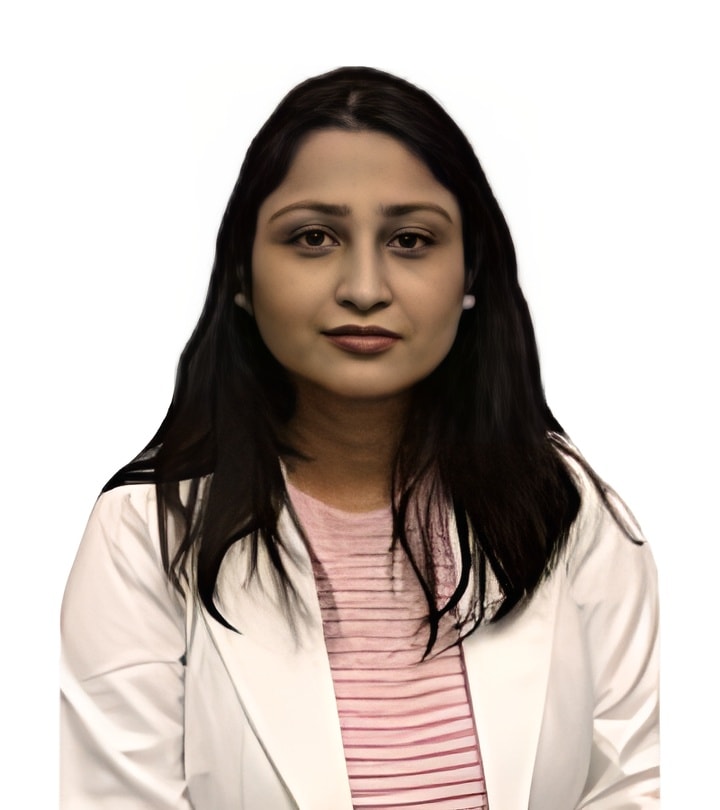
Reviewed by Dr. Priya Puja
MBBS, MD - Dermatology, Venereology & Leprosy
Medical Head, Kaya Clinic
This article is intended for educational purposes and does not replace a consultation with a qualified dermatologist. Hormonal conditions and prescription treatments require individual medical assessment.